Marine Link
Sunday, December 21, 2025

Armed Robbery at Sea: Navigating The High Seas of Crime

The vast, open oceans have long served as conduits for commerce, adventure, and exploration. However, along with the grandeur of maritime activities comes inherent risks, one of which is the specter of armed robbery at sea. Also known broadly as maritime piracy, this menacing threat envelops not just the economic marine highway but also the lives and safety of those who navigate it.

Historical Context

Maritime piracy is not a new phenomenon. Historical records are replete with tales of pirate attacks dating back to ancient civilizations. The infamous pirates of the Caribbean during the 17th and 18th centuries romanticized in literature and film were, in their time, a real and deadly threat to maritime commerce. With the advent of modern technology, the tactics and operations of sea bandits have evolved, yet the core motivations-plunder, ransom, and territorial control-remain consistent.

Modern-Day Incidents

In modern times, certain hotspots have emerged as piracy-prone zones, most notably off the coast of Somalia, the Gulf of Guinea, and the Strait of Malacca. Recent reports indicate alarming trends, with armed groups targeting vessels ranging from small fishing boats to massive container ships and oil tankers. These attacks often escalate to violent confrontations, kidnappings, and in some cases, fatalities.

Case Study: The Gulf of Guinea

The Gulf of Guinea, extending from Senegal to Angola, has become a notorious epicenter for maritime piracy. According to the International Maritime Bureau (IMB), this region accounts for a significant portion of global piracy incidents. Armed robbers in this region typically target vessels for cargo theft and crew kidnappings, seeking ransoms that can run into millions of dollars. Various factors contribute to the high levels of piracy in the Gulf of Guinea, including poverty, political instability, and inadequate naval security.

The Human Element

Beyond the economic disruption and material losses, armed robbery at sea has a profound impact on the human element. Maritime workers-often from a diverse international background-experience significant psychological and physical trauma during such incidents. The threat of armed confrontation and the potential for captivity in harsh conditions impose severe mental strain on seafarers, leading to long-term impacts on their well-being and careers.

Maritime Security Measures

To mitigate the risks of armed robbery at sea, stakeholders have been investing heavily in security measures. These include:

  • Enhanced Vigilance: Increasing the awareness and preparedness of crew members to potential threats.
  • Patrolling and Escorts: Deployment of naval escort services in high-risk areas.
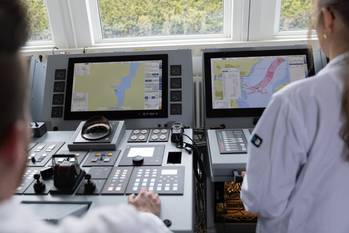
  • Technological Solutions: Adoption of advanced surveillance technologies, such as radar and Automatic Identification Systems (AIS), to monitor and detect suspicious activities.
  • International Cooperation: Multinational initiatives, such as Combined Maritime Forces (CMF) and the Djibouti Code of Conduct, aim to foster cooperation among states to enhance maritime security.

Legal and Ethical Considerations

The international community's response to maritime piracy involves complex legal frameworks. Piracy is defined under the United Nations Convention on the Law of the Sea (UNCLOS), which provides a basis for jurisdiction and prosecution. However, the enforcement of these laws often faces challenges due to jurisdictional limitations and the practical difficulties of patrolling vast ocean expanses.

Conclusion

Armed robbery at sea remains a formidable challenge in the contemporary maritime landscape. Addressing this threat requires comprehensive strategies that encompass legal, technological, and cooperative frameworks to safeguard the maritime domain. As we navigate these treacherous waters, the need for vigilance, innovation, and international solidarity is paramount to ensure the safety and security of the world's maritime routes.

Call to Action

For policymakers, maritime companies, and shipping crews, the fight against armed robbery at sea demands continuous adaptation and commitment. Enhanced cooperation, investment in security technologies, and the promotion of international legal standards are essential steps towards a safer maritime future. By shining a light on this critical issue, we contribute to a more secure and just world for all who traverse the high seas.

Tags: maritime security Maritime Piracy

© Adobe Stock/Peter Hermes Furian

Ukraine Sisables Oil Tanker with Sea Drones in the Black Sea

Ukrainian sea drones on Wednesday hit and disabled a tanker involved in trading Russian…

Source: SEA.AI

SEA.AI Powers Optical Situational Awareness on Naval USV

SEA.AI’s optical situational awareness system, Watchkeeper, is now fully integrated into the USV12…

Credit: X/ Armée française - Opérations militaires

Houthis Release Eternity C Crew

The crew of the Greek-operated cargo ship Eternity C, which sank in the Red Sea in…

© Faraways / Adobe Stock

Iran Seizes Tanker Headed for Singapore

Iran confirmed on Saturday that its Revolutionary Guards had seized a tanker in Gulf…

Source: Operation Atalanta

EUNAVFOR Atalanta Takes Control of Pirate Dhow

The Iranian-flagged dhow used as a mother ship in the piracy incident involving the…

Source: Global Maritime Forum

Video: Resilience in a Fragmenting World

Shipping is the lifeblood of global trade, but in a world of rising geopolitical tensions…

© Adobe Stock/Antony

EU Warship Secures Tanker Crew After Somali Pirate Attack

An EU warship secured the crew of an oil products tanker on Friday after it was attacked…

© Adobe Stock/Antony

Pirates Board Tanker Off Somalia, Highest Tension Escalation Since 2024

Pirates have boarded a Malta-flagged products tanker off Somalia, maritime security…

© Adobe Stock/Peter Hermes Furian

EU Sends Warship to Somali Coast After Suspected Pirate Attack

The European Union's counter piracy force has deployed a warship to the coast off Somalia after a su

Dave Cudbertson, OCIMF Programs Director. © OCIMF

OCIMF Launches Focused Inspection Campaign to Strengthen Onboard Security Defenses

Oil Companies International Marine Forum (OCIMF) has launched a Focused Inspection…

Source: social media

Singapore’s First-of-Class Multi-Role Combat Vessel Launched

ST Engineering has launched the Republic of Singapore Navy (RSN)'s first Victory…

© Adobe Stock/bong

Operation to Salvage LPG Tanker MV Falcon Underway

An operation was underway on Monday to salvage the liquefied petroleum gas tanker MV Falcon…

Related Articles

Blockchain in Shipping: Revolutionizing Global Supply Chains

Blockchain technology, initially developed as the backbone of cryptocurrencies like Bitcoin, is now making waves in the shipping industry. With its ability to provide secure, transparent, and tamper-proof records, blockchain is poised to revolutionize global supply chains, addressing some of the most persistent challenges in maritime logistics, including inefficiencies, fraud, and lack of transparency.

This week’s key shipbuilding industry updates

U.S. Rebuilding Shipbuilding Industry with Policy and InvestmentThe U.S. government is launching a new era for shipbuilding, with a focus on industrial base renewal, national security, and economic growth. Key developments include:The establishment…

Charting a New Course: The Future of the Maritime Workforce in a Digital, Green Era

The global maritime industry is on the cusp of a profound transformation, driven by rapid decarbonization, advanced digitalization, and an increasingly complex regulatory landscape. This article explores how these forces are reshaping the skills, roles, and welfare needs of the maritime workforce. From the demand for "green" engineering expertise to the rise of remote operations and AI-driven systems, we delve into the challenges and opportunities in attracting, training, and retaining the talent essential for sustainable and efficient shipping. The future maritime professional will be a highly adaptable, digitally fluent, and environmentally conscious individual, operating within an industry that must prioritize human-centric approaches to truly thrive.

How are new propulsion systems reducing shipping emissions

New propulsion systems reduce shipping emissions through several key mechanisms, contributing to lower fuel consumption, increased energy efficiency, and adoption of cleaner energy sources:1. Hybrid Propulsion SystemsHybrid systems combine traditional engines with electric motors and batteries…

Maritime Standards

All nations require certain standards be met by ships and other marine structures which fly their flag. A classification society, or "Class", is a non-governmental regulatory association which regulates construction of vessels and offshore structures in the maritime industry.