Marine Link
Sunday, September 6, 2026

Maritime Contracts

Contracts between vessel owners and charterers concerning the water transportation of goods are technically known in admiralty law as "contracts of affreightment". The charterer agrees to pay a freight charge for cargo space. The voyage, amount of cargo space, and time of delivery will all be covered by the contract. One common type of contract is the “voyage” charter. This type of charter usually concerns the hire of a vessel ‘s entire cargo space for one or more specific voyages.

If the charterer does not require the use of an entire ship, the agreement will specify what portion of the cargo is used and is referred to as a "space" charter. With these types of charter, the master (or agent) will give the shipper a bill of lading, to document the title to the goods and serve as receipt. The bill of lading is not in itself a charter or contract; the voyage charter is considered to be the governing carriage contract.

Another very common arrangement is known as a "time" charter. A time charter is similar to a voyage charter in that the charterer may direct the movements and cargoes carried during an agreed period of time and under certain limitations. Under a time charter, the shipowner is usually responsible for employing the master and crew for the specified duration.

Alternatively, the charterer may contract use of an entire ship, taking possession and control of the entire vessel for an agreed-upon period of time. This kind of contract is referred to as "a demise of the ship" or "bareboat charter" and effectively transfers ship-owner status for a very specific time. The contractor will be responsible for crew and personnel, repairs and supplies, and other duties of a ship-owner. This contract is much less common than contracts of affreightment.

Tags: Maritime Contracts

(Credit: Veson Nautical)

Veson Nautical Launches AI-Powered Platform for Maritime Trade

Maritime software provider Veson Nautical has launched the Veson Platform, a unified…

Copyright: byemo/AdobeStock

Five Common Mistakes in Maritime Contracts

“An ounce of prevention is worth a pound of cure.” – Henry de Bracton, DeLegibus…

Dispute Resolution Clauses - BIMCO

A new edition of BIMCO’s Dispute Resolution Clause has been published. New wording…

Drilling Control Centre: Image courtesy of Kongsberg

China, Korea, Yards Place Kongsberg Maritime Contracts

CIMC Yantai Raffles in China and STX Offshore & Shipbuilding in Korea have selected…

Thomas H. Belknap, Blank Rome LLP

“Maritime … Or Not?”

Here is a multiple choice question:  which of the following contracts is considered…

Nelson Designated MarAd Deputy Administrator

President George W. Bush appointed Julie A. Nelson as the Deputy Administrator of…

Nelson Named MARAD Chief Counsel

U.S. Transportation Secretary Norman Y. Mineta announced the appointment of Julie…

Related Articles

Next-Gen Naval Power: Innovations Reshaping Modern Fleets

Naval forces globally are undergoing a profound transformation, driven by an accelerating pace of technological innovation and evolving geopolitical landscapes. This article explores the cutting-edge advancements that are redefining maritime defense and offense. From the integration of artificial intelligence and unmanned systems to the development of directed energy weapons and advanced stealth capabilities, we delve into how these innovations are enhancing situational awareness, extending operational reach, and enabling new forms of naval warfare. The future fleet will be characterized by networked, intelligent, and highly adaptable platforms, operating across multiple domains to secure sea lanes and project power more effectively than ever before.

Port Authority

A port authority operates ports and other transportation infrastructure for a special-purpose district. Whether operated directly by the government or in cooperation with government agencies, North American port authorities are public entities and are governed by a board or commission.

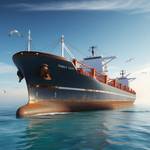
Tanker Vessels are vital links in the global supply chain

Tanker ships are an important component of the maritime sector, and they transport liquid cargoes around the world. These vessels are vital to the supply chain for energy, chemicals and other essential commodities. There are many types of tankers, each designed for specific cargoes such as oil, LNG, chemicals, or other liquids.

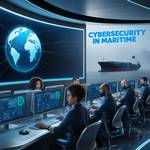
Cybersecurity in Maritime: Navigating the Digital Seas Safely

As the maritime industry undergoes a digital transformation, the integration of advanced technologies such as automation, Internet of Things (IoT), and big data is revolutionizing operations. However, this digital shift also brings significant risks, particularly in the realm of cybersecurity. Protecting maritime assets, systems, and data from cyber threats has become a critical priority as the industry becomes more connected and reliant on digital infrastructure.

Sailing to Net-Zero: The Decarbonization Mandate and the Green Fuels Race in Shipping

The global maritime industry is under immense pressure to meet ambitious climate targets, spearheaded by the International Maritime Organization (IMO)'s strategy to reach net-zero emissions by or around 2050. This mandate has triggered the most significant technological and financial upheaval the sector has ever faced. This article explores the core challenge—the decarbonization dilemma—focusing on the complex regulatory landscape (CII, ETS) and the intense, multi-fuel race to find viable, scalable, and safe "green fuels." We analyze the leading contenders—ammonia, methanol, and hydrogen—highlighting their pros, cons, and the colossal infrastructure investment required to power the future of global shipping.

Subscribe for
Maritime Reporter E-News

Maritime Reporter E-News is the maritime industry's largest circulation and most authoritative ENews Service, delivered to your Email five times per week