IMO Adopts World’s Largest Emission Control Area

The IMO has formally adopted the world’s largest emission control area (ECA) in the North-East Atlantic Ocean, establishing stricter emissions limits for ships operating in one of the world’s busiest maritime corridors.The new ECA is expected to be fully implemented in September 2028 and covers the exclusive economic zones of France, Ireland, Portugal, Spain, the United Kingdom, Iceland, Greenland, and the Faroe Islands—a region home to more than 190 million people. It will also link existing ECAs in the Baltic…
Study: Low Sulfur Fuel Reduces Lightning, May Increase Temperatures

Cuts in sulfur emissions from oceangoing vessels have been tied to a reduction in lightning stroke density along heavily trafficked shipping routes in the Bay of Bengal and the South China Sea, according to new research from the University of Kansas (KU).Previous studies had found frequent lightning along shipping routes over the Bay of Bengal before a 2020 IMO rule capped sulfur in fuel used by oceangoing ships, leading to a roughly 70% drop in sulfate emissions in the Bay of Bengal.“I think there are two reasons for this…
WinGD Joins Methane Abatement Initiative for LNG-Fueled Ships

Engine developer WinGD has joined the Methane Abatement in Maritime Innovation Initiative (MAMII), becoming the first engine developer to become a partner in the growing cross-sector push to better understand and address methane from LNG-fueled ships.LNG, primarily methane, can play a role in reducing shipping emissions. But its climate benefits depend on methane being effectively managed. Proven technologies for onboard methane abatement are emerging, and organizations like WinGD…
Regulation to Cut Ship Pollution May Have Increased Global Warming, Study finds
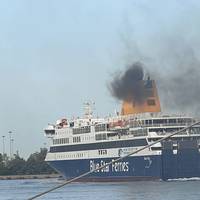
A new study examined the climate effect of the mandated reduction of sulfur in ship exhaust emissions globally since 2020, and it suggests that the shipping regulation has reduced how much light is being reflected back into space, which has likely contributed towards the record warming over the last few years.International shipping, while invisible to most of us, has a large impact on climate and air quality. There are nearly 100,000 large ships within the global commercial fleet, accounting for over 90% of international trade.