UN Launches Decade of Sustainable Transport

The United Nations has launched the first ever United Nations Decade of Sustainable Transport (2026–2035).
The Implementation Plan, launched in New York, is the result of a participatory consultation process and provides a roadmap to align policies, finance, technology and data with sustainable transport to advance the Sustainable Development Goals.
“This consultative and inclusive process has opened new avenues for cooperation, and we have been privileged to lead it. It has brought together governments, industry, civil society, academia and the UN system in ways that will strengthen coordination and lay the foundation for new partnerships in the years ahead,” said Under-Secretary-General Li Junhua, who leads the Department of Economic and Social Affairs of the United Nations.
Sustainable transport is about cleaner mobility and safer systems, extending markets, shaping access to jobs, schools and heath care, and enabling the movements of goods and services. It is fundamental to the achievement of the Sustainable Development Goals, with synergies to poverty eradication, good health, climate action, gender equality, education and beyond. With transport demand set to more than double by 2050, mobility-related choices made in the coming decade can lock in sustainable development pathways.
The launch event unveiled 83 concrete commitments submitted from around the world, with billions of financial resources committed, including a major push towards clean and fairer mobility, active mobility, zero-emission road transport, transport-related capacity building, transport data and reporting, among others.
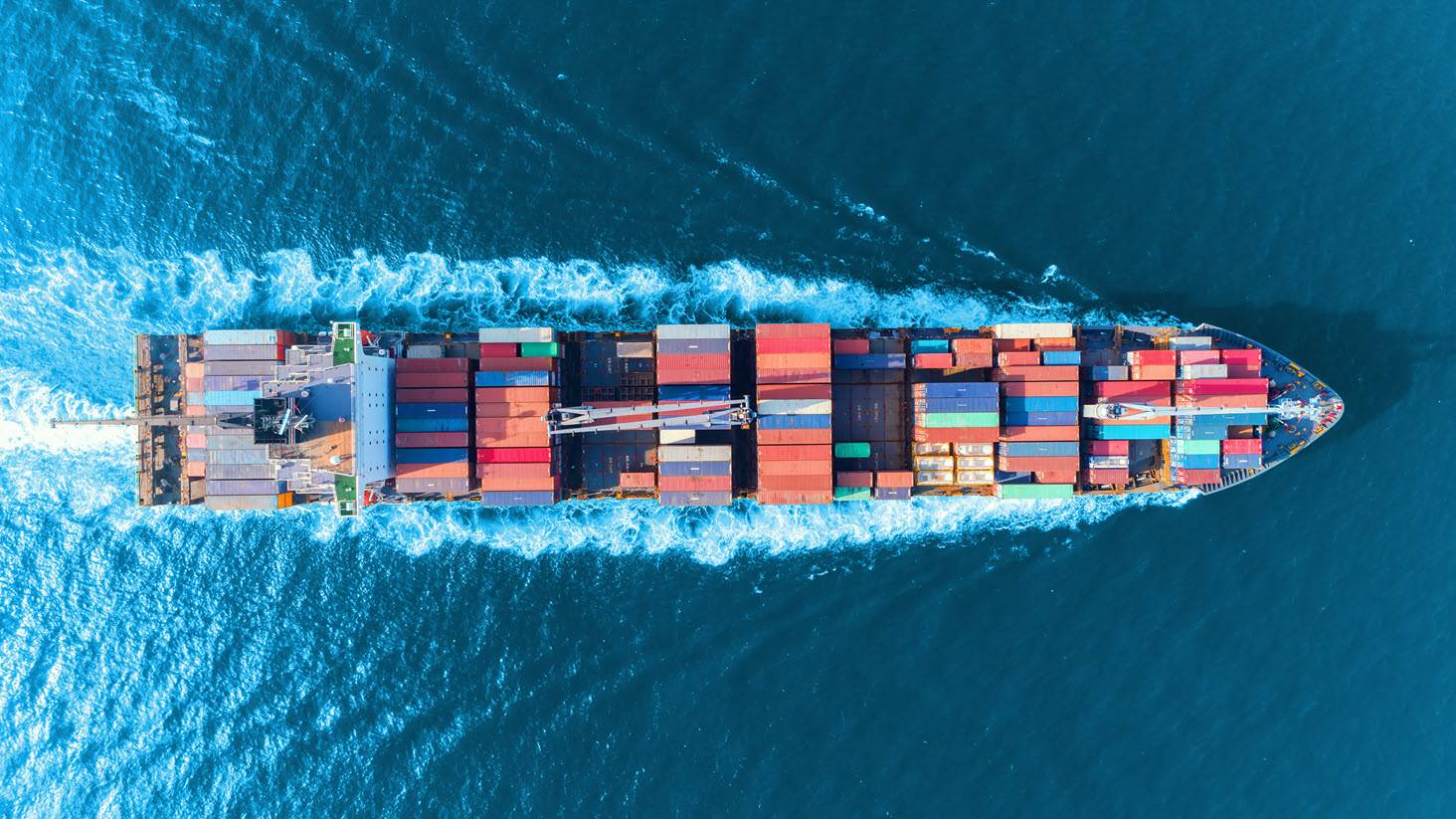
Speaking at the UN, World Shipping Council President & CEO Joe Kramek underlined that shipping’s energy transition is a major opportunity for nations to invest in renewable marine fuels and infrastructure. He also stressed that the “ocean leg” of supply chains must be fully included in the work of the Decade of Sustainable Transport.
“Liner shipping is investing $150 billion to build 1,035 dual-fuel ships by 2030, designed to run on low- and zero-GHG fuels,” he said. “These are firm orders already placed. We hope the Decade of Sustainable Transport can bring the public and private sectors together to unlock affordable green marine fuels and infrastructure, seizing the economic opportunities of shipping’s decarbonisation and accelerating emissions cuts across global supply chains.”
WSC also noted the importance of effective global greenhouse gas regulation at the IMO. By raising the profile of ocean shipping within the UN Decade of Sustainable Transport, WSC aims to ensure the sector is recognised and supported as a core part of the solutions for a sustainable future.