

Autonomous Ships: Charting the Course for the Future of Maritime Navigation
The maritime industry is on the brink of a revolutionary transformation with the advent of autonomous ships. These vessels, capable of operating without human intervention, represent a significant leap forward in technology, promising to reshape the future of global shipping. Autonomous ships, also known as unmanned vessels, are designed to navigate and perform various operational tasks using advanced sensors, artificial intelligence (AI), and communication systems. This innovation is set to enhance efficiency, safety, and sustainability in the maritime sector.
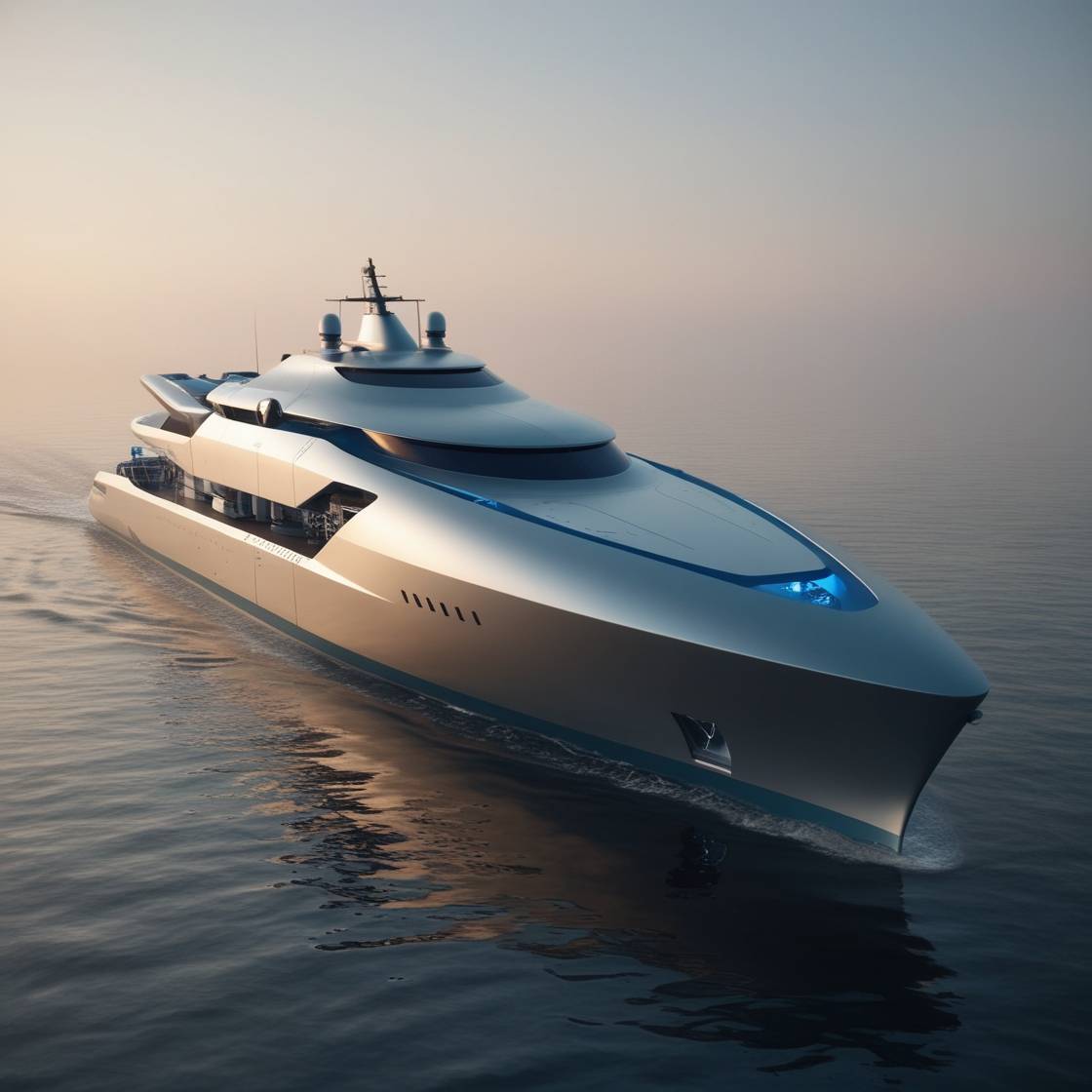
What Are Autonomous Ships?
Autonomous ships are vessels that can operate independently, navigating from one point to another without direct human control. These ships rely on a combination of technologies, including:
- Artificial Intelligence (AI): AI systems onboard process data from various sensors to make real-time decisions, such as adjusting the course, speed, and engine settings.
- Sensors and Cameras: These provide the ship with detailed information about its surroundings, including weather conditions, nearby vessels, and potential obstacles.
- Global Positioning System (GPS): GPS technology enables precise navigation and positioning, allowing the ship to follow a predetermined route.
- Communication Systems: Autonomous ships are equipped with advanced communication systems that allow them to interact with other vessels, ports, and control centers onshore.
Autonomous ships can be categorized into different levels of autonomy, ranging from fully unmanned vessels to those that operate with minimal human oversight:
- Remotely Operated Ships: Controlled by human operators from a remote location, often with the assistance of automation systems.
- Semi-Autonomous Ships: Capable of performing certain tasks autonomously, but still require human intervention for critical decisions.
- Fully Autonomous Ships: Operate independently, making all navigational and operational decisions without human input.
Advantages of Autonomous Ships
The development of autonomous ships offers several potential benefits:
Improved Safety
- Human error is a leading cause of maritime accidents. Autonomous ships, with their advanced sensors and AI, can reduce the likelihood of collisions, grounding, and other accidents. These vessels can operate under optimal conditions, avoiding dangerous areas and reacting more quickly to potential hazards.
Increased Efficiency
- Autonomous ships can optimize routes, speeds, and fuel consumption more effectively than human-operated vessels. This optimization leads to lower operational costs, reduced fuel consumption, and shorter voyage times, contributing to more efficient global trade.
Environmental Sustainability
- The ability to optimize fuel consumption and reduce emissions makes autonomous ships more environmentally friendly. Additionally, these vessels can be designed with energy-efficient propulsion systems, further minimizing their carbon footprint.
Cost Savings
- Reducing the need for crew members onboard can lead to significant cost savings for shipping companies. Autonomous ships can operate continuously without the need for shifts or rest periods, further increasing their economic efficiency.
Enhanced Operational Flexibility
- Autonomous ships can be deployed in various environments, including harsh or remote areas where human crews may face risks. This flexibility opens up new possibilities for exploration, research, and resource extraction in challenging maritime regions.
Challenges and Considerations
Despite the promising advantages, the development and deployment of autonomous ships also face several challenges:
Regulatory and Legal Frameworks
- The existing maritime regulatory framework is built around human-operated vessels. International regulations, such as those governed by the International Maritime Organization (IMO), will need to be adapted to accommodate autonomous ships. Issues related to liability, insurance, and safety standards must be addressed to ensure the safe and legal operation of these vessels.
Cybersecurity Risks
- Autonomous ships, with their reliance on digital systems and communication networks, are vulnerable to cyber threats. Ensuring the cybersecurity of these vessels is critical to preventing unauthorized access, data breaches, and potential sabotage.
Technological Reliability
- The success of autonomous ships depends on the reliability of their technology. Ensuring that AI systems, sensors, and communication networks function correctly in all conditions is essential for the safe and efficient operation of these vessels.
Public and Industry Acceptance
- The concept of unmanned ships may face resistance from various stakeholders, including shipping companies, seafarers, and the general public. Building trust in the safety and reliability of autonomous ships will be crucial for their widespread adoption.
Infrastructure Requirements
- Ports and other maritime infrastructure may need to be upgraded to accommodate autonomous ships. This includes the development of smart ports equipped with the necessary technology to communicate and interact with unmanned vessels.
Current Developments and Future Outlook
Several projects and initiatives are underway to develop and test autonomous ships. For example, the Yara Birkeland in Norway is one of the world’s first fully electric and autonomous container ships, designed to operate without a crew. Another notable project is the Mayflower Autonomous Ship, an AI-powered vessel that has conducted research missions across the Atlantic.
The future of autonomous ships is promising, with significant potential to revolutionize the shipping industry. However, widespread adoption will require overcoming the challenges mentioned above. As technology advances and regulatory frameworks evolve, autonomous ships are expected to become a common feature of global maritime trade, driving efficiency, safety, and sustainability in the industry.
Conclusion
Autonomous ships represent a bold step forward in maritime technology, offering transformative benefits for the shipping industry. While challenges remain, the potential for improved safety, efficiency, and environmental sustainability makes them a compelling innovation. As the maritime sector continues to embrace digitalization and automation, autonomous ships are set to play a pivotal role in shaping the future of global trade, navigating the seas with precision and autonomy.


